Quantum23
Calle Aroga, 5d
Riogordo,
Málaga
29180
Spain
+34 952 732 443
Quantum23
36.916256
-4.294796
- Email: info@quantum23.com
- Tel: +34 952 732 443


It all starts with a vision
We turn your ideas into reality.

We really love what we do
We discover. We plan. We create.

And do what we love
We listen. We care. We deliver.
Our products and services are designed for businesses in the property sector (Commercial and Residential) – Real Estate Agents, Rental Agents, Holiday Lettings Agents and property professionals.
Quantum Real Estate Software (QRES) is built on a solid bespoke framework authored from the ground up by Alison and Andrew Makin and supports standalone, inbound/outbound XML feeds and API applications. Our responsive websites for Estate Agents have a full multilingual capacity with many features including:
Independent & unlimited Long Term, Short Term and Resale Property Listings
Inbound and Outbound XML feeds
Duplicate/modify listings from an XML feed & enhance them for improved marketing
Save to Favourites
Property Listing Comparision
Featured & Category Listing Searches
Recently Viewed & Similar Properties
Custom multilingual CMS for blogging
Build custom search results with a simple URL link of selected properties
Custom map graphics with pan & zoom for mobile devices
XML feed, standalone, API, On Demand and Cloud SaaS packages
& much, much more…
We work closely with the biggest established MLS providers in Spain – Resales Online, InfoCasa, Inmoba Networks and Kyero – allowing you to import listings into your website. You can list and manage your property listings sales, rentals and client information from the fully responsive admin on any device.
Stay up to date with our software features and find the best Real Estate package to suit your requirements and budget. QRES software and products make Quantum23 one of the top real estate website builders in Spain.
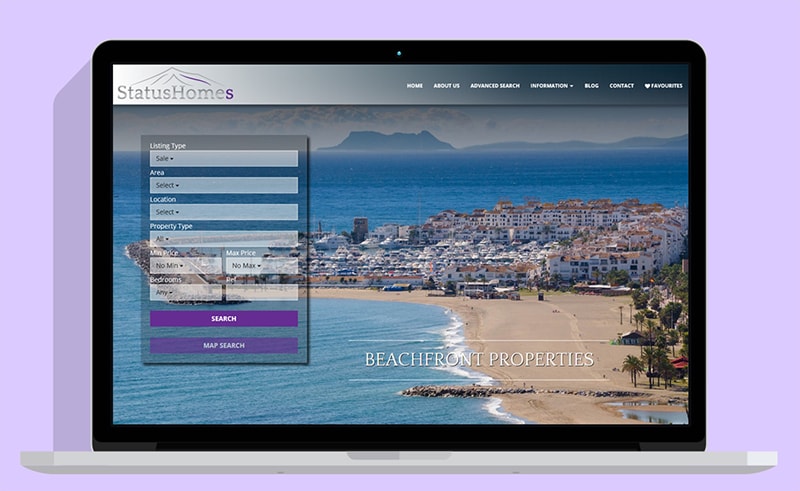
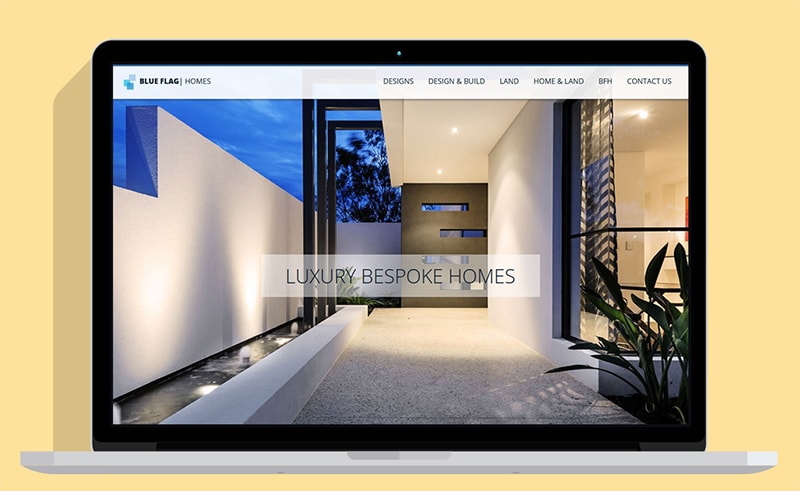
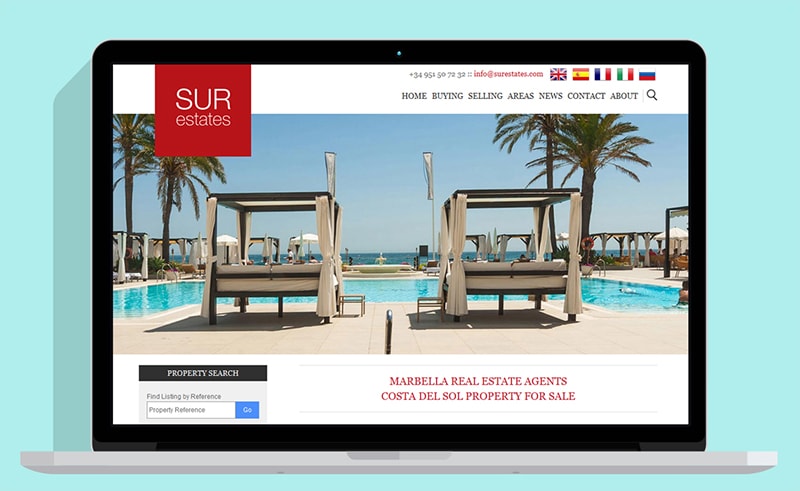
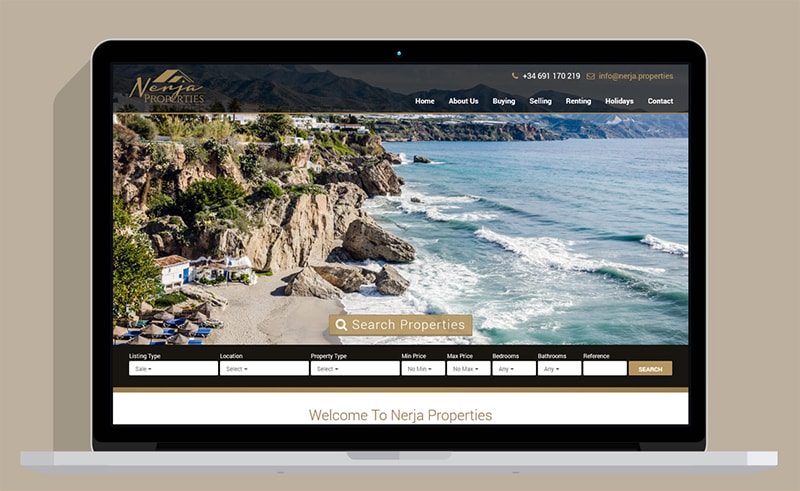
View QRES basic incorporating a Resales Online XML feed
Do you need a blog or a simple website to promote your service or business? Quantum23 provide high-quality SEO friendly websites for your business, product or organisation at affordable prices. Our feature-rich modern dynamic websites use a bespoke publishing platform with a focus on aesthetics, web standards and usability.
If you think your business is too small or your product/service is something that can’t be sold online, you might be asking yourself 'Does my small business REALLY need a website?' With our budget CMS websites starting at just €450 + IVA – can your business afford not to have one?
With more than 20 years of experience and bags of creative flair, let Quantum23 create innovative and imaginative graphic designs to represent your company, service or product. Just provide a short brief and leave the rest to us.





We have provided IT consulting services and solutions for major blue-chip clients such as IBM and PriceWaterhouseCoopers, to small businesses and individuals. Our clients also extend to small design houses providing freelance sub-contracting services.